
Leheriya Kurta Sets: The Complete Guide to Rajasthan's Wave-Print Craft

Leheriya Kurta Sets

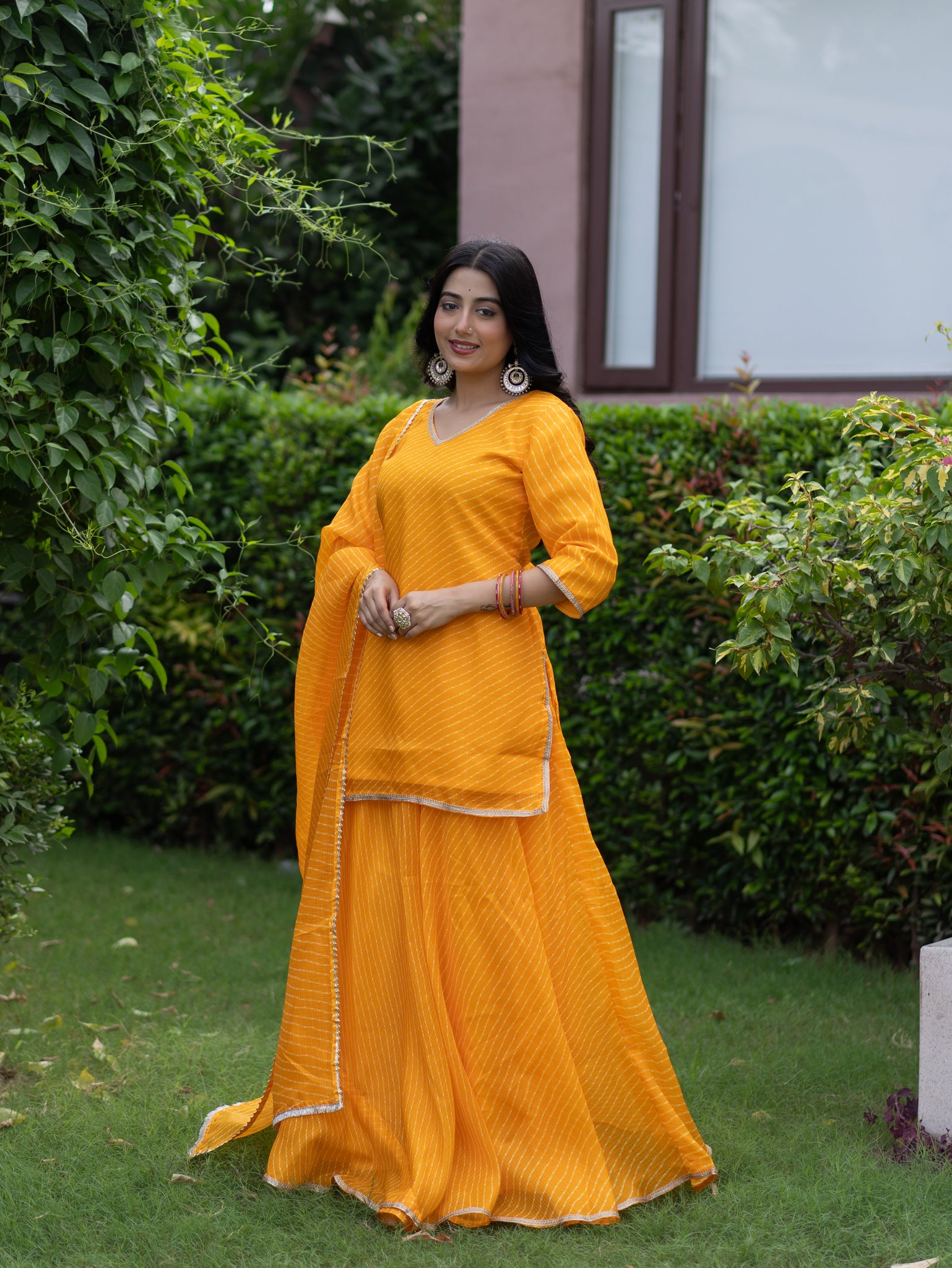
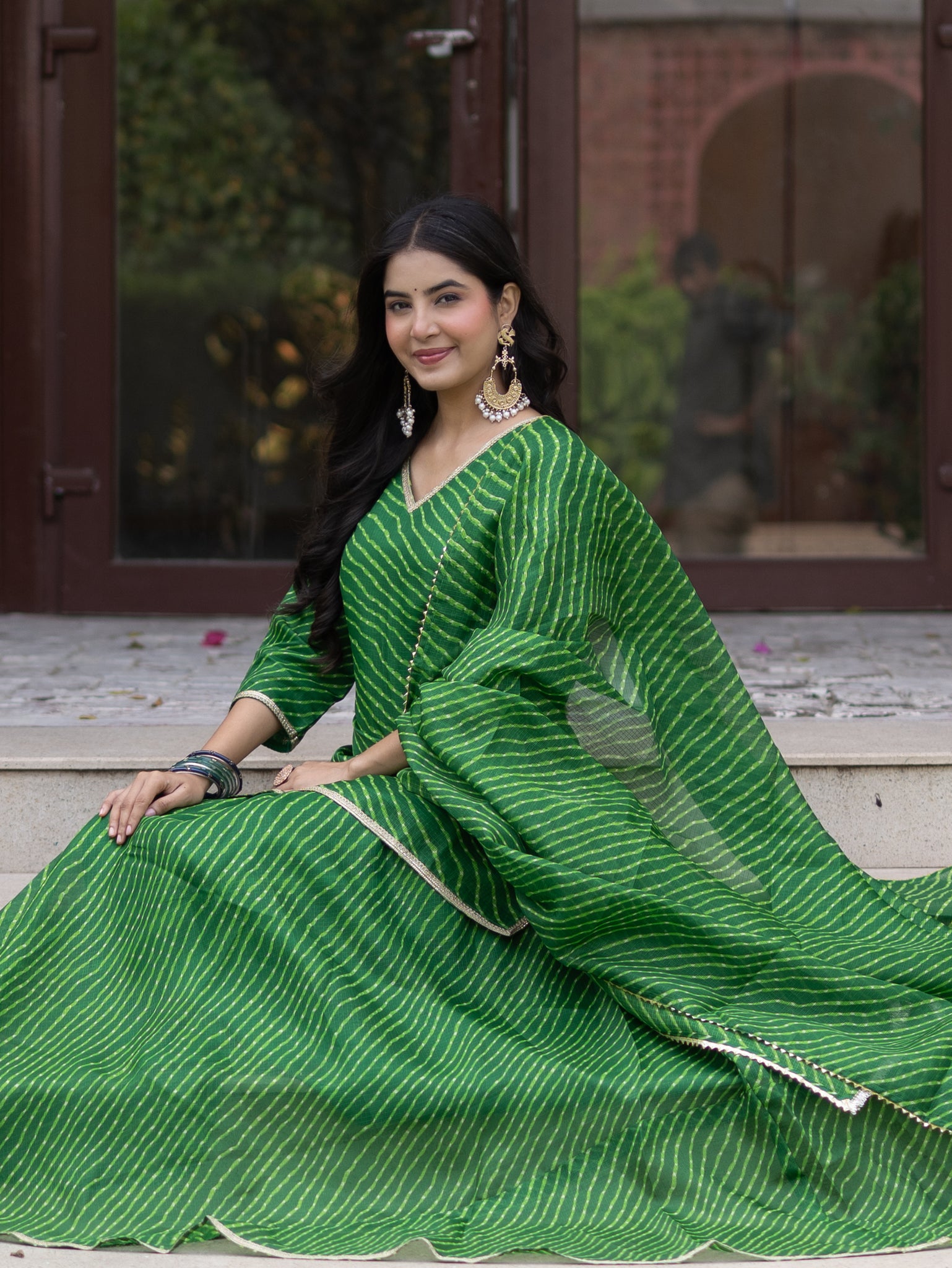
Leheriya is a traditional Rajasthani tie-dye technique defined by its vibrant, diagonal wave-like stripes. The name comes from the Hindi word leher, which means "wave." This fabric is currently dominating festive wardrobes because of its lightweight feel, striking geometric patterns, and rich cultural heritage.

If you've been eyeing a leheriya kurta set for the upcoming festive season but aren't sure what makes it different from other prints, this guide breaks it all down.

What Makes the Leheriya Pattern So Distinct

The leheriya pattern isn't printed. It's created through a resist-dyeing process where fabric is tightly rolled diagonally and dyed in sections.

This is what gives you those signature ripple effects instead of straight lines. A few things set it apart:

  • Diagonal stripes that mimic flowing water, unlike the straight lines of Bandhani

  • Multi-colour gradients, often 3 to 7 shades in a single piece

  • Handmade irregularities that make every piece unique

  • Traditionally done on fine cotton or silk for a soft drape

Because the technique is entirely manual, no two leheriya pieces are ever identical. That's part of the charm.

Why a Leheriya Kurta Is a Smart Festive Pick

A leheriya kurta works harder than most festive pieces in your wardrobe. It's colorful enough for celebrations but light enough for daytime events.

Here's why it keeps showing up in festive edits every year:

  • Breathable fabric that suits Indian weather, even during long function days

  • Bold visual impact without needing heavy embellishment

  • Versatile styling, from simple kurtas to layered anarkalis

  • Pairs beautifully with gold jewellery and neutral bottoms

Ready to shop the collection? Explore leheriya pieces made for real festive days, not just photoshoots.

Choosing Between a Leheriya Kurta Set and a Leheriya Dress

This is where most buyers get stuck, so let's simplify it.

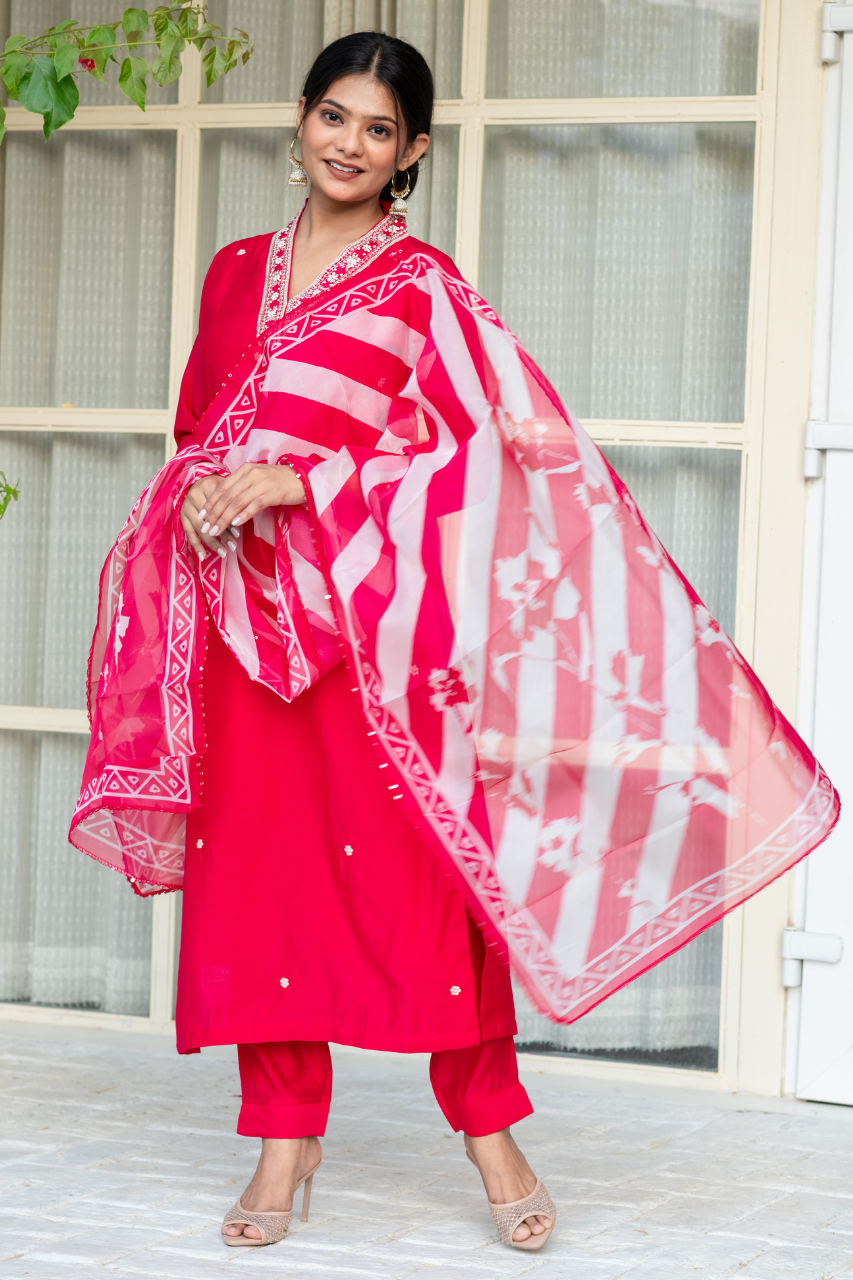
A leheriya kurta set typically includes a kurta with matching bottoms and sometimes a dupatta. It works well for:

  • Mehendi and Haldi functions

  • Family gatherings and pujas

  • Anyone who prefers a more traditional silhouette

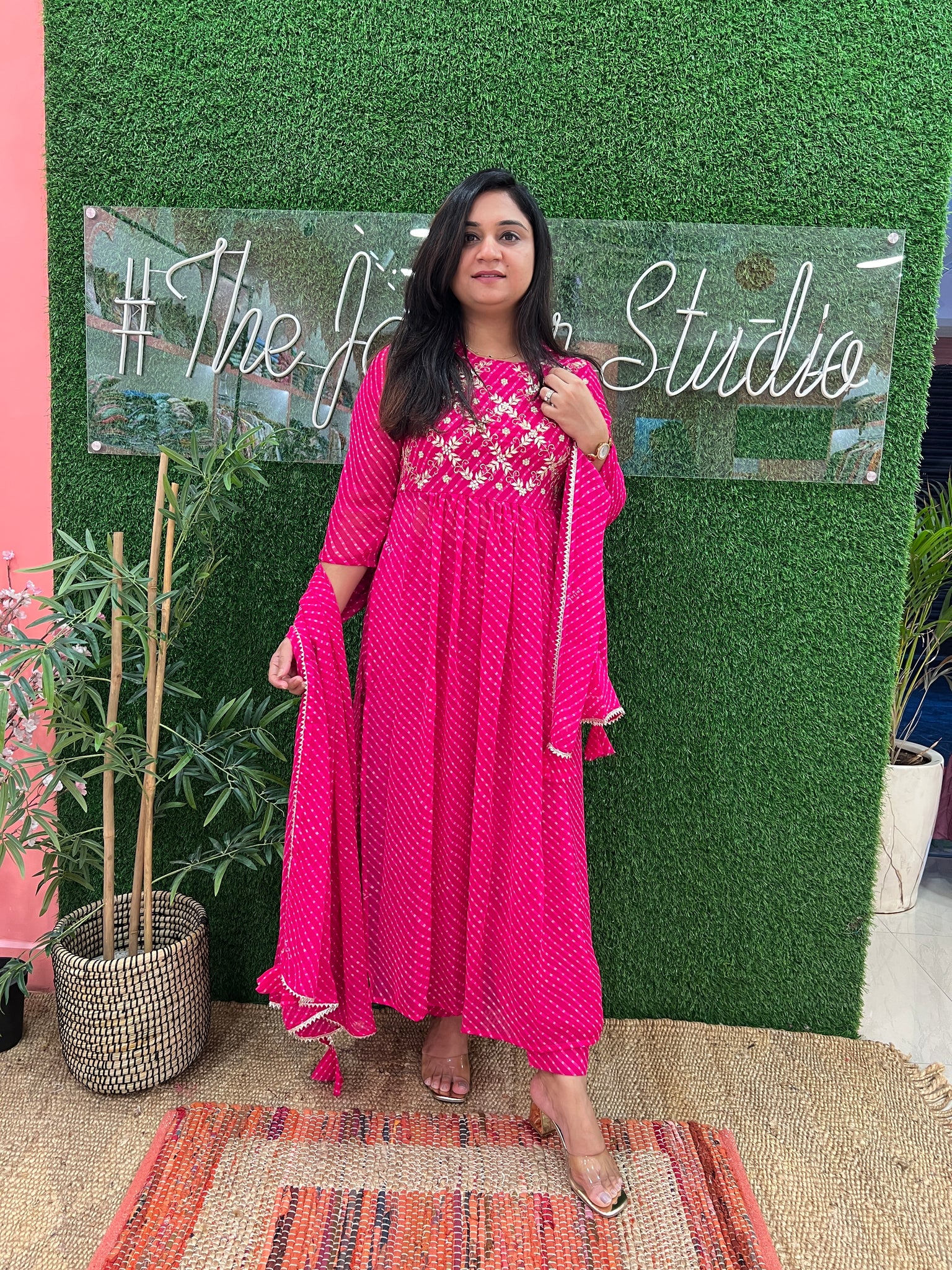
A leheriya dress, on the other hand, is a single-piece outfit, usually A-line or anarkali-style. It suits:

  • Cocktail evenings or lighter festive events

  • Younger buyers who want an easy, no-fuss outfit

  • Travel-friendly festive dressing

Neither is objectively better. It comes down to the occasion and how much styling effort you want to put in.

How to Style a Leheriya Kurti for Everyday Wear

You don't need a wedding invite to wear leheriya. A leheriya kurti paired with simple straight pants or denim works just as well for everyday dressing.

A few easy styling ideas:

  • Pair a short leheriya kurti with white palazzos for a fresh, casual look

  • Add oxidised silver jewellery for a boho touch

  • Keep footwear minimal, think juttis or block heels

  • Let the print do the talking; skip heavy accessories

This is also why leheriya has moved beyond festive-only styling into regular rotation for many buyers.

Caring for Your Leheriya Piece

Since leheriya uses natural dyeing methods, a little care goes a long way in preserving the colors.

  • Always hand wash separately in cold water for the first two washes

  • Avoid harsh detergents or soaking for long periods

  • Dry in shade, never direct sunlight

  • Iron on low heat to protect the print

Mild colour bleeding in the first wash is completely normal for authentically dyed fabric. It's a sign of genuine craft, not a flaw.

Looking for a piece that's true to the craft? Browse handcrafted leheriya sets and dresses designed for both comfort and occasion.

FAQs

Q. What does the word "leheriya" mean?

Leheriya comes from the Hindi word leher, meaning wave, referring to the diagonal wave-like stripes created through the tie-dye process.

Q. Is leheriya the same as Bandhani?

No. Leheriya creates diagonal wave patterns through fabric rolling, while Bandhani uses tiny tied dots to form its designs.

Q. Can I wear a leheriya kurta for casual, everyday outings?

Yes. A simple leheriya kurti paired with jeans or palazzos works well for everyday wear, not just festive occasions.

Q. Why does the colour bleed slightly in the first wash?

This is normal for naturally dyed fabrics like leheriya. Hand washing separately in cold water for the first two washes helps the colour settle.

Q. What fabrics are commonly used for leheriya sets?

Leheriya is traditionally done on lightweight fabrics like cotton and silk, which allow the dye to create sharp, flowing patterns.

Final Thoughts

Leheriya isn't just a trend cycle print. It's a centuries-old craft that continues to hold its own in modern wardrobes because of its versatility, colour depth, and cultural roots.

Whether you're picking a kurta set for a family function or a simple kurti for everyday wear, understanding the craft behind it makes the outfit mean a little more. At The Jaipur Studio, every leheriya piece is made to honour that legacy while fitting easily into your everyday life.

About the Author

Shalini Bhatheja

Shalini Bhatheja

Shalini Bhatheja is an Indian fashion entrepreneur who turned her lifelong passion for design into a purpose by launching The Jaipur Studio in 2018. Rooted in her Rajasthani heritage, she started the company as a small trio selling ethnic wear at local residential stalls before scaling it into a thriving digital and physical retail brand. Her mission focuses on delivering affordable, handcrafted elegance to the modern Indian woman while providing sustainable livelihoods to traditional local artisans.