Quick answer: Chanderi is semi-sheer, softly lustrous, and naturally festive. Kota Doria is feather-light, open-weave, and built for Indian heat. The real Chanderi vs Kota Doria difference comes down to occasion and season, and once you know that, picking between the two gets a lot easier.
Both fabrics carry centuries of Indian craft behind them. Both are lightweight. But they feel completely different on the body, and they belong in different parts of your wardrobe. Here is a clear breakdown to help you choose.
What Is Chanderi Fabric - The Fabric of Quiet Elegance
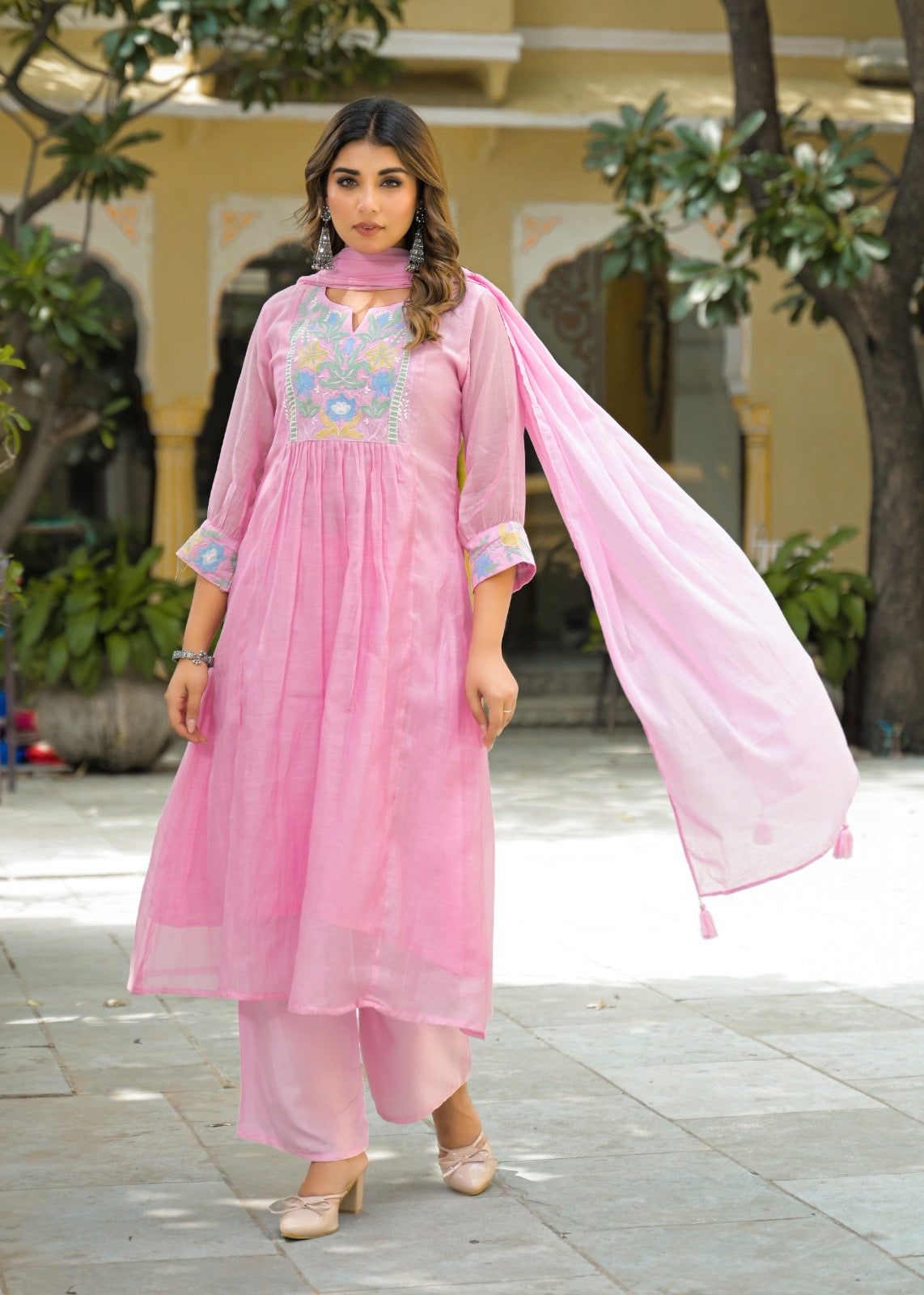
Chanderi comes from Chanderi town in Madhya Pradesh, where weavers have been working this craft for over 600 years. The fabric is a blend of silk and cotton, sometimes pure silk, which gives it that characteristic translucent finish and soft sheen.
The texture is delicate, slightly crisp, and refined without being heavy. What makes it stand out are the fine zari work and woven motifs, coins, florals, and geometric borders that are built into the weave itself, not printed on top.
A Chanderi fabric kurta in India works particularly well during the festival season and cooler months. It sits in that comfortable spot between casual and dressed-up, which is why it has always been a go-to for women who want to look put-together without effort.
Chanderi works best for:
- Festive gatherings, pujas, and family functions
- Semi-formal office occasions in cooler weather
- Wedding functions like Mehendi, Haldi, or cocktail evenings
- Women who want a refined look without heavy embellishment
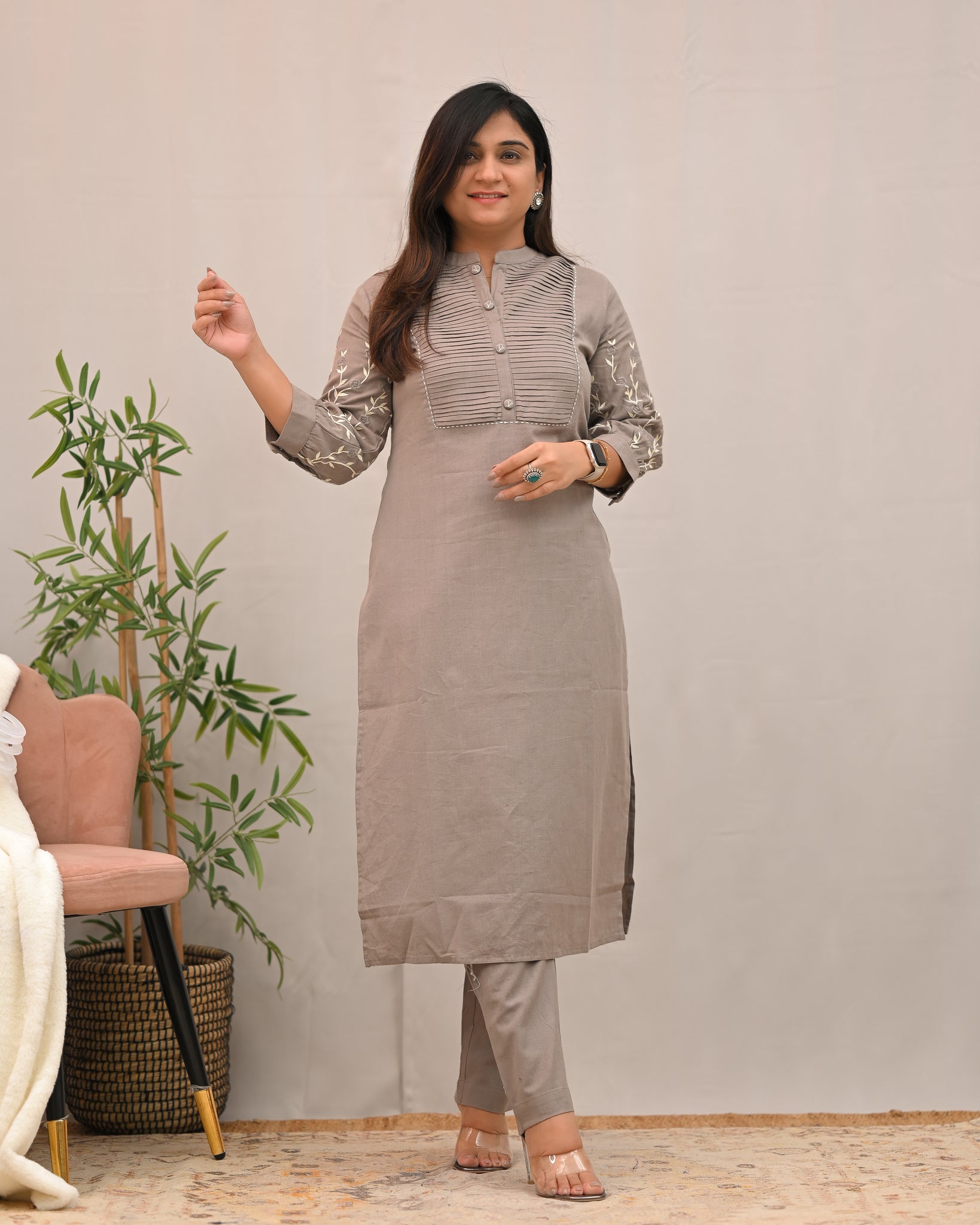
Chanderi Ethnic Wear has seen a real revival over the last few years. Modern block prints, minimal embroidery, and cleaner silhouettes have brought this fabric back into everyday wardrobes, not just reserved for special occasions anymore.
What Is Kota Doria - Rajasthan's Most Breathable Weave
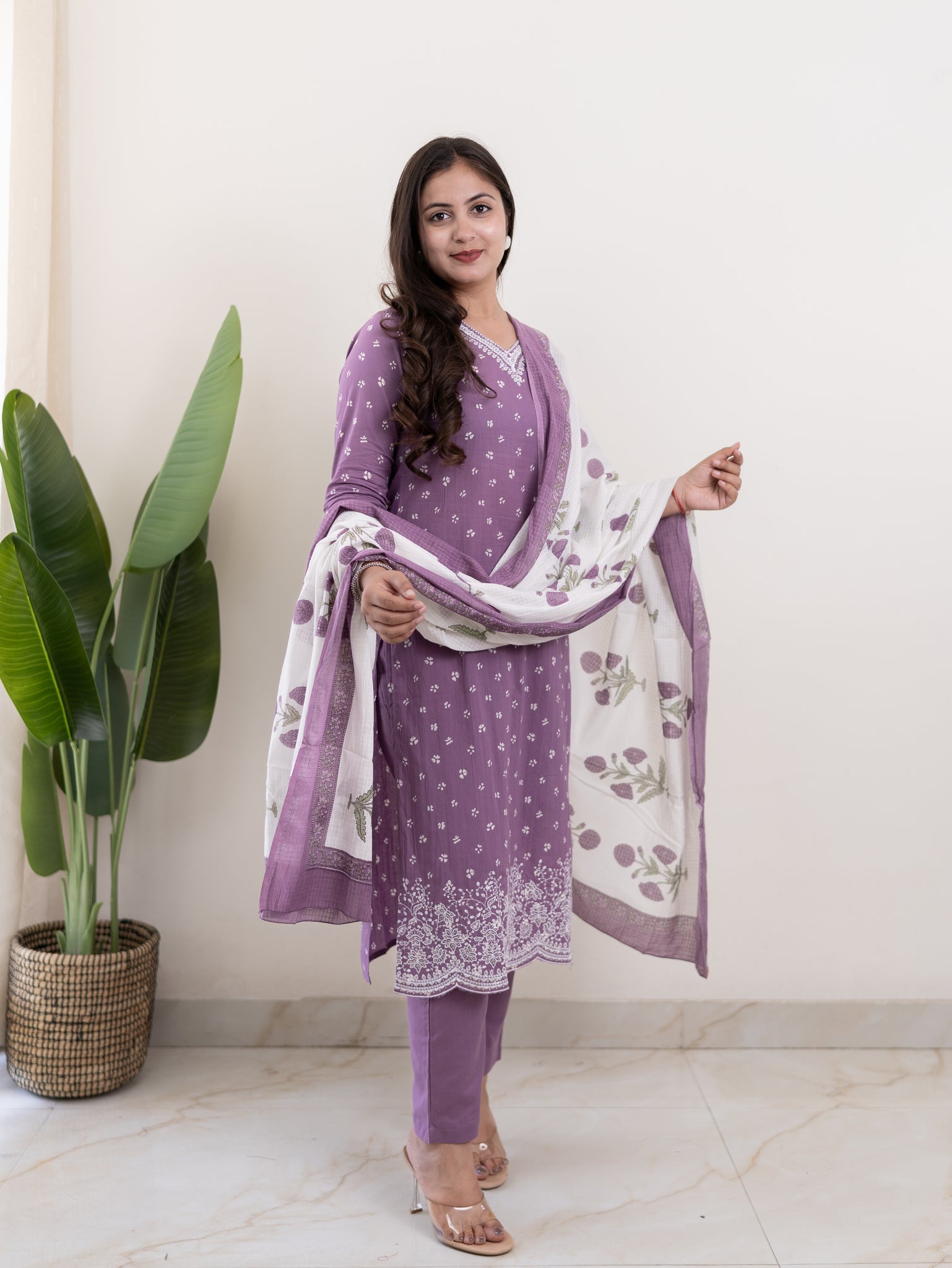
Kota Doria comes from Kota in Rajasthan. The name is straightforward: "Doria" simply means thread. It is woven on traditional pit looms using a mix of cotton and silk threads, which creates its signature square-check texture called "khat."
Pick up a Kota Doria dupatta, and you will feel almost nothing in your hand. It is genuinely that light.
The open weave lets air pass through freely, which is exactly why this fabric has been trusted in Rajasthan for centuries. Women living in some of India's hottest regions have worn it through peak summers without complaint.
Kota Doria works best for:
- Daily wear during the summer months, especially April through July
- Outdoor events in humid or hot weather
- Women who find silk too warm but still want some fabric structure
- Anyone who wants breathability without giving up on style
A kota doriya suit in a hand-block Ajrakh or Leheriya print is one of those effortless outfits that just works. It moves beautifully, packs light, and does not stick to your skin when the temperature climbs past 38 degrees.
Chanderi vs Kota Doria - Full Comparison Table
Here is a side-by-side look at both fabrics across the details that actually matter when you are buying.
| Feature |
Chanderi |
Kota Doria |
| Origin |
Chanderi, Madhya Pradesh |
Kota, Rajasthan |
| Base Fibres |
Silk + Cotton (or pure silk) |
Cotton + Silk |
| Texture |
Smooth, slightly crisp, semi-sheer |
Feather-light, open square-check weave |
| Breathability |
Moderate |
Very High |
| Sheen |
Yes, soft luster |
Minimal |
| Best Occasion |
Festive, semi-formal |
Daily wear, casual, summer events |
| Best Season |
Winter, early spring, autumn |
Summer (peak heat months) |
| Care |
Dry clean or careful hand wash |
Gentle hand wash, cold water |
| Feel on Skin |
Silky, slightly structured |
Airy, almost weightless |
| Price Range |
Moderate to high |
Moderate |
The difference really shows up when you hold both fabrics at the same time. Chanderi looks richer. Kota Doria feels freer. Neither one is objectively better; they just belong in different moments.
Which Fabric Is Cooler for Indian Summers?
Let's be direct: Kota Doria wins on breathability.
The open-weave construction creates constant airflow against the skin. Even at 40 degrees, you will not feel suffocated. Cotton-dominant Kota Doria also absorbs moisture without clinging, which makes a real difference on humid days.
Chanderi has some breathability, but the silk content means it retains a little more heat. It is a fabric for evenings, for cooler venues, for seasons outside peak summer.
If you are dressing for a daytime outdoor event in June, Kota Doria is the clear answer. For a Diwali dinner in October or a morning function at a December wedding, Chanderi will serve you far better.
The question of which fabric is better, Chanderi or Kota Doria, does not have a single answer it depends entirely on when and where you are wearing it.
Quick rule of thumb:
- Summer outdoor events: Kota Doria
- Festive evenings, cooler months: Chanderi
- Mehendi or Haldi functions: Either works depending on whether it is indoors or open-air
Ready to Shop? Explore Our Kota Doria Collection
Hand-printed, breathable summer kurta sets made for the Indian heat.
How to Care for Chanderi and Kota Doria Fabrics
Both fabrics need a bit more care than everyday cotton. The good news is that the routine is simple once you know it.
Caring for Chanderi
- Dry clean all heavily embroidered or zari Chanderi pieces
- Plain Chanderi can be hand-washed in cold water with a gentle fabric wash
- Never wring or twist the fabric
- Dry in shade, direct sunlight fades the sheen over time
- Iron on low heat from the reverse side only
Caring for Kota Doria
- Hand wash in cold water; machine wash can loosen the open weave
- Use mild detergent, no harsh chemicals or bleach
- Do not soak for extended periods
- Dry flat in shade to maintain the light, airy structure
- Iron on low to medium heat while the fabric is still slightly damp
One thing both fabrics have in common: they reward careful handling. A well-kept Chanderi kurta holds its sheen and structure for years. A Kota Doria suit treated right stays crisp and breathable season after season.
Which One Should You Actually Buy?
Honestly, both belong in a thoughtful ethnic wardrobe. They are not competing with each other; they complement each other across different seasons and occasions.
Kota Doria has become a consistent part of trending ethnic wear for women who want to look polished even in peak Indian heat. It is the fabric you will reach for every summer morning without hesitation.
Chanderi is what you pull out for your festival calendar. A well-fitted Chanderi kurta with a woven border looks expensive and intentional without being over the top.
If you can only choose one right now, let the season guide you. Heading into summer? Start with Kota Doria. Festive season around the corner? Chanderi is the one to invest in.
Explore Our Chanderi Collection
Festive-ready kurtas and suits crafted with care, designed to last.
FAQs
1. Can Chanderi fabric be worn in summer?
Yes, but with some conditions. Chanderi works well in early summer or in air-conditioned settings. During peak Indian summer (May to June), the silk content can feel warm, especially for outdoor events. For those situations, Kota Doria is a more comfortable option.
2. Is Kota Doria fabric durable?
Yes, when you care for it properly. The open weave is delicate, so avoid machine washing and rough handling. With gentle hand washing and careful storage, a quality Kota Doria suit stays in excellent condition for multiple seasons.
3. Can I wear Kota Doria to a wedding?
Absolutely. A printed or embroidered Kota Doria suit works beautifully for daytime wedding functions like Haldi or Mehendi. For evening ceremonies, Chanderi tends to look more formal and occasion-appropriate.
4. How do I identify genuine Chanderi fabric?
Real Chanderi is semi-transparent when held up to light, and it carries a soft, natural sheen. The woven motifs are part of the fabric structure itself, not printed on top. If it feels stiff, plasticky, or overly shiny, it is likely a synthetic blend.
5. Which fabric drapes better - Chanderi or Kota Doria?
Both drape well, just differently. Chanderi has a slightly structured fall that holds its shape, which suits formal and festive looks. Kota Doria flows more freely with an almost effortless movement. For a polished, formal silhouette, go to Chanderi. For a relaxed, flowy look, Kota Doria is the better choice.