Let's be honest, most women in India have stood in front of their wardrobe (or their screen) asking the same question: dupatta set or kurta set?
Both are beautiful. Both feel Indian. But they aren't the same thing, and wearing the wrong one to the wrong occasion is the kind of mistake that's hard to shake off mid-event.
If you've been trying to figure out what works where, this one's for you. Finding the right dupatta set for women in India is less about rules and more about knowing your occasion. And once you understand the actual difference between the two, getting dressed becomes a lot easier.
What Is a Dupatta Set - and Why Does It Matter?
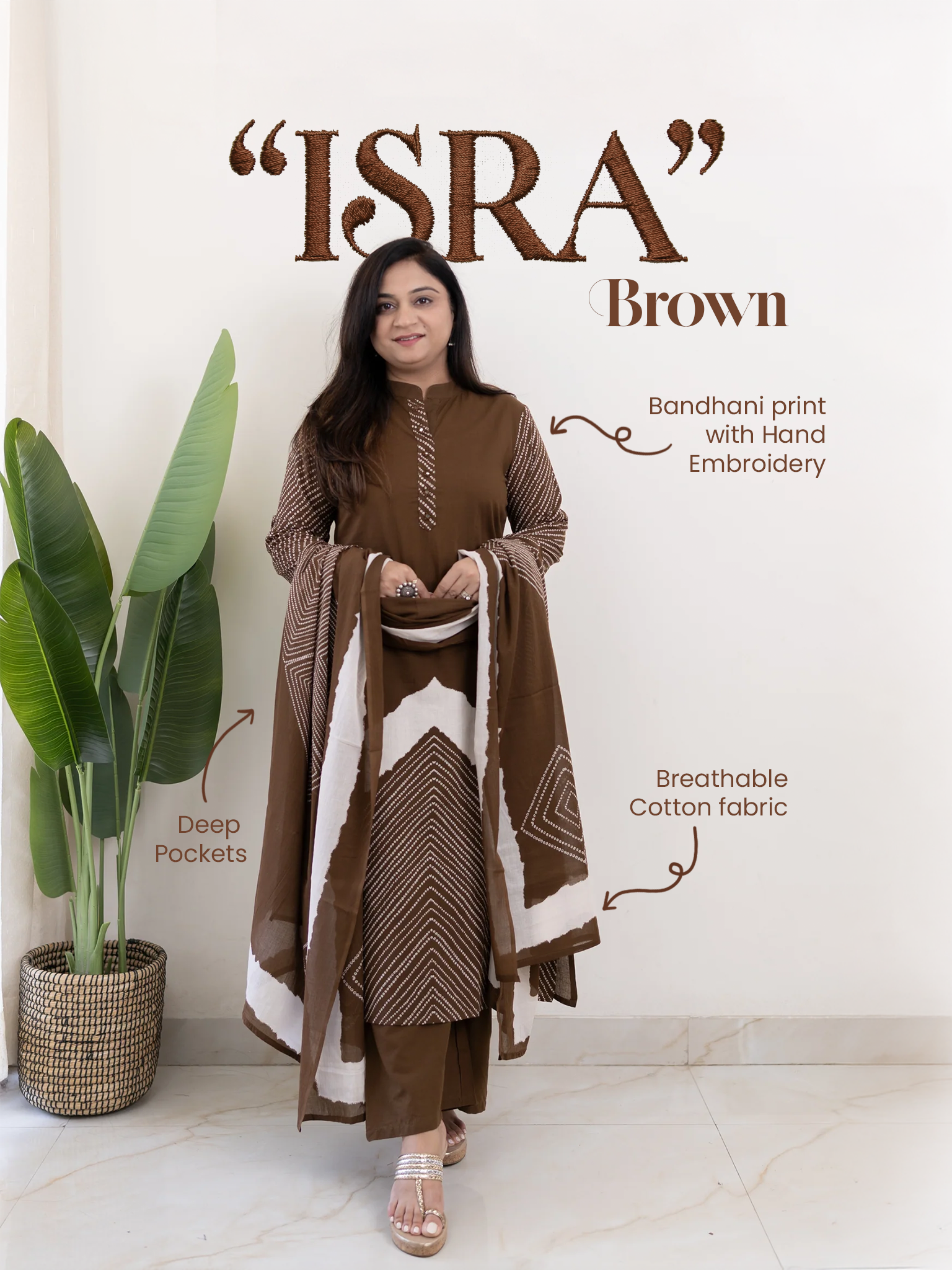
A dupatta set is a coordinated three-piece outfit. You get a kurta, a matching bottom (usually straight pants, palazzo, or sharara), and a dupatta that ties the whole look together.
The dupatta isn't just thrown in as an accessory. It changes the energy of the outfit entirely. Without it, you have a two-piece. With it, you have a complete, layered look that reads as dressed-up, thoughtful, and occasion-appropriate.
This is what makes dupatta sets the natural choice for events where you want to look like you made an effort without borrowing your mother's heavy suit or scrambling for jewellery to save a plain outfit.
Dupatta sets work especially well for:
- Festive occasions like Diwali, Navratri, or Eid
- Pre-wedding functions: Mehendi, Haldi, Cocktail evenings
- Family gatherings with cultural or traditional significance
- Religious events and temple visits where a full, modest look is expected
The dupatta does most of the heavy lifting. You just have to drape it right.
What Is a Kurta Set - and When Does It Win?
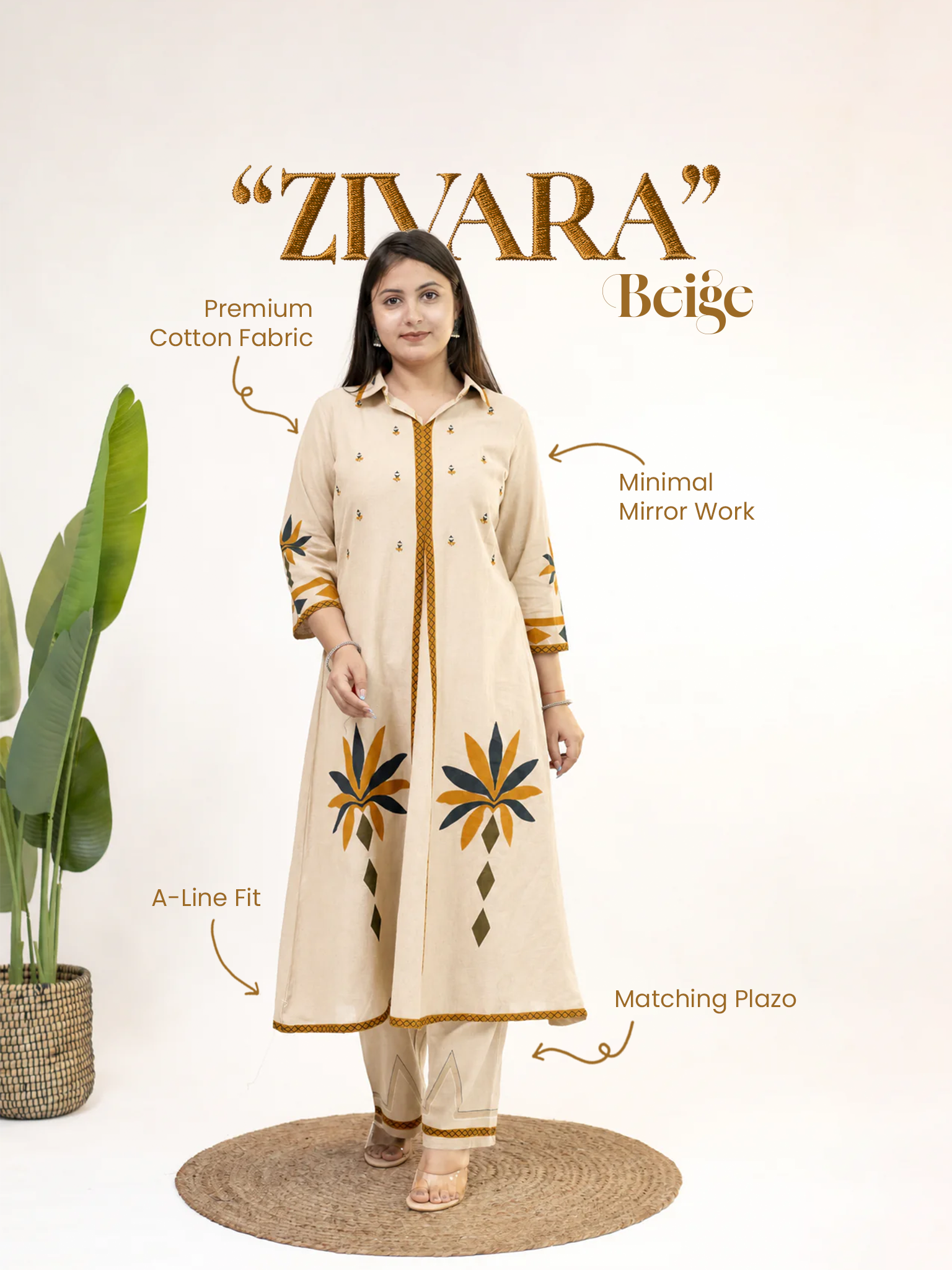
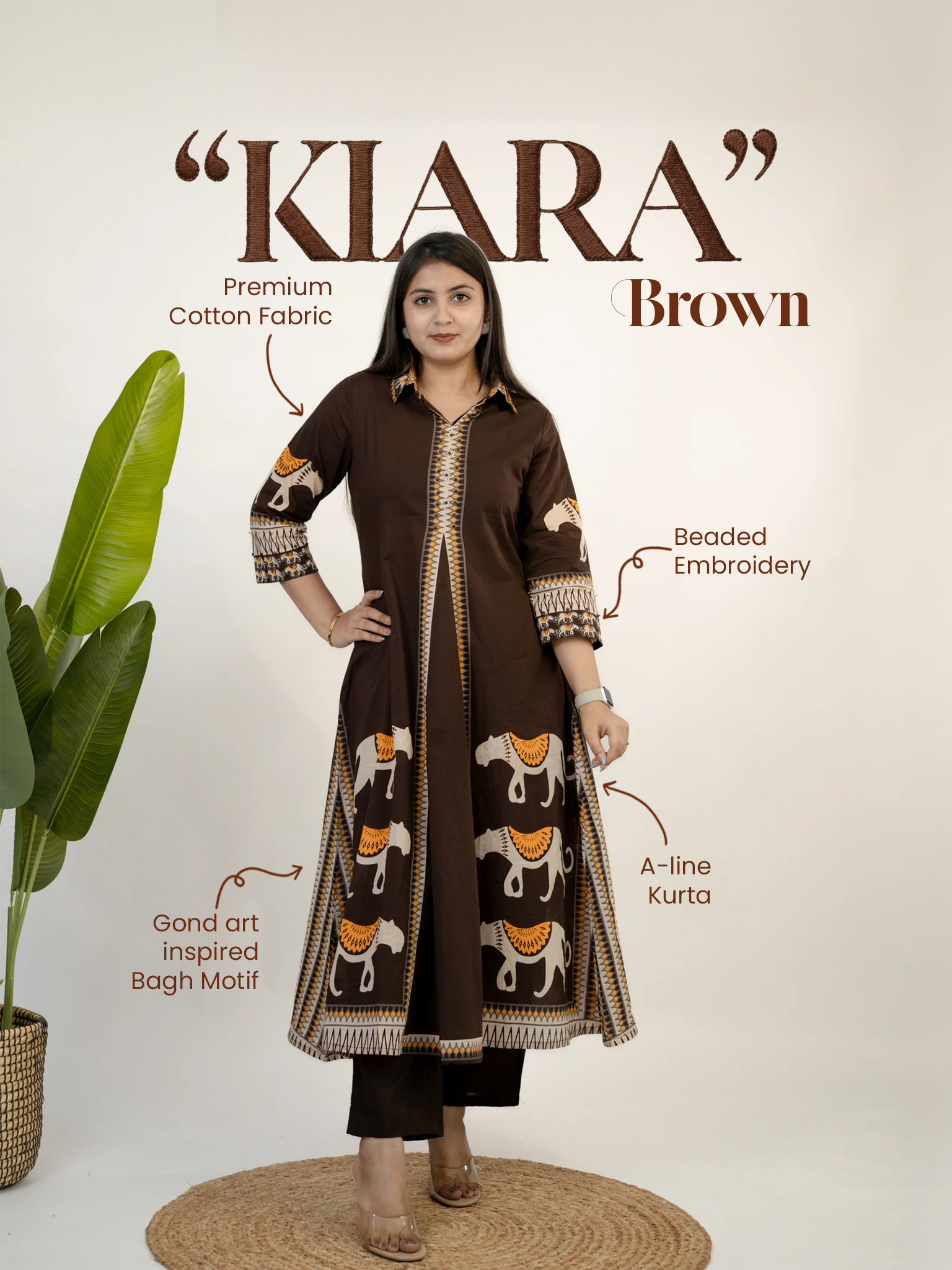
A kurta set is typically a two-piece: a kurta paired with a coordinated pair of pants or palazzo. No dupatta, no drama. Just a clean, well-put-together outfit you can wear without thinking twice.
This is exactly why kurta sets dominate everyday wardrobes. They're built for real-life office hours, weekend outings, quick trips, college farewells, and casual lunches where you want to look good but not like you're headed to a wedding.
A good kurta pant set for women in cotton fabric covers everything from Monday meetings to Sunday markets. The comfort level is genuinely hard to beat, and you're never overdressed or underdressed when you read the occasion right.
Kurta sets shine for:
- Daily wear and office settings
- Casual outings, brunch, shopping, college
- Travel where comfort matters as much as appearance
- Light social events where you want easy, effortless dressing
The fit and fabric carry the look here. A great print or a clean silhouette can make a kurta set look as intentional as anything with a dupatta.
Dupatta Set vs Kurta Set: The Real Differences
Here's the straightforward answer: A dupatta set is more occasion-specific, and a kurta set is more lifestyle-friendly.
The dupatta set vs the kurta set difference isn't about one being more traditional or more fashionable. It's about fit-for-purpose. A three-piece outfit with a dupatta has a formality to it that a two-piece simply doesn't, and that's actually a good thing, depending on where you're going.
| Feature |
Dupatta Set |
Kurta Set |
| Pieces |
3 (kurta + bottom + dupatta) |
2 (kurta + bottom) |
| Occasion |
Festive, semi-formal weddings |
Casual, daily, semi-casual |
| Styling Effort |
Slightly more put-together |
Quick and effortless |
| Versatility |
Dupatta can be worn or skipped |
Standalone look, or add a dupatta |
| Price |
Slightly higher |
Generally more affordable |
One more thing worth knowing: A kurta set can become a dupatta set. If you already own a dupatta that coordinates well, you can pair it with a two-piece kurta set and get the layered effect without buying a three-piece. The reverse also works; skip the dupatta on a three-piece set for a casual day out.
When to Wear a Dupatta Set (Occasion-Wise Breakdown)
Festivals and Pujas
This is the natural home of the dupatta set. Diwali evenings, Navratri nights, Onam celebrations, Eid get-togethers, these occasions have a dress code that isn't spoken but is absolutely felt. A dupatta set in cotton block prints or Ajrakh for daytime pujas, and richer fabrics for evening events, always reads correctly.
You never have to wonder if you're overdressed. A dupatta set just belongs there.
Pre-Wedding Functions
Mehendi mornings, Haldi afternoons, cocktail evenings, each function has its own mood, and a kurti pant set with dupatta in the right fabric handles all of them well.
For Mehendi and Haldi, soft cotton or muslin dupatta sets in yellow, green, or floral prints work beautifully. For cocktail evenings, look for silk or georgette sets with some surface detail. The dupatta pulls the whole look into event-appropriate territory without you needing to layer on heavy jewellery to compensate.
Family Gatherings and Formal Visits
Visiting relatives, attending a grih pravesh, and going to a naming ceremony are the events where showing up in a plain kurta feels slightly underdone. A dupatta set communicates, quietly, that you got dressed for the occasion. In Indian family settings, that matters.
When to wear a dupatta set comes down to one question: Does the occasion carry cultural or family weight? If yes, wear the dupatta.
When a Kurta Set Is the Better Call
Not every day calls for a three-piece. A lot of days just call for something comfortable, stylish, and easy.
A straight kurta for women in good-quality cotton is one of the most practical pieces in any Indian wardrobe. Pair it with matching pants, and you're done. It works for office days when you want to dress Indian without looking like you're going to a function. It works for travel, where managing a dupatta through airports and long journeys is the last thing you want to do.
Right now, trending ethnic wear for women leans heavily into two-piece co-ord sets with interesting prints and structured cuts. Block prints, Leheriya, Ajrakh, and floral cotton, a well-chosen print does what the dupatta would do in terms of making an outfit look complete.
If the event is casual and the environment is warm, a kurta set is almost always the smarter choice.
Styling Tips for Both Practical Ones That Actually Help
For dupatta sets:
- Drape loosely over one shoulder for casual functions, it keeps the look relaxed
- Pin it at the neckline for formal events where you don't want it slipping
- Carry it on your arm if it's hot, the outfit still reads complete
- Lighter fabrics (cotton, muslin) work for the day; richer fabrics (silk, chiffon) for the evening
For kurta sets:
- A dupatta for women from another set can instantly dress up a two-piece outfit. Don't underestimate this
- A statement neckpiece does the same job as a dupatta for semi-casual occasions
- Footwear shifts the formality more than people realise. Kolhapuris keep it casual, block heels dress it up
Both formats give you room to experiment. The base is always solid; the styling is where you make it your own.
Ready to shop both styles? Whether you need a full three-piece dupatta set for your next function or a clean, easy kurta set for everyday wear, there's a full collection waiting. Shop Dupatta Sets | Shop Kurta Sets
Frequently Asked Questions
Q1. What is the main difference between a dupatta set and a kurta set?
A dupatta set comes as a three-piece kurta, coordinated bottom, and a matching dupatta. A kurta set is typically two-piece. The dupatta makes the outfit feel more complete and appropriate for formal or festive occasions.
Q2. Can I wear a dupatta set casually?
Yes. For casual wear, choose a lightweight cotton or muslin dupatta set and drape the dupatta loosely instead of pinning it. This keeps the look easy and appropriate for informal outings without feeling overdressed.
Q3. How do I buy a dupatta set online for a wedding function?
When you buy a dupatta set online for wedding wear, focus on fabric silk, chinnon, and georgette, which read as occasion-appropriate. Check the dupatta size and whether it has any embroidery or embellishment details before ordering.
Q4. Is a kurta set suitable for festive occasions?
For lighter festivities like a casual Diwali home gathering, a kurta set works fine. For more formal festivals, pujas, or family functions, a dupatta set is the better choice, as it naturally fits the occasion's dress expectations.
Q5. How do I decide between the two for an office event?
For professional settings, a kurta set is almost always the cleaner choice. It's easy to manage through a workday, doesn't require adjusting, and still looks pulled-together. Save the dupatta set for after-work functions or festive office celebrations.