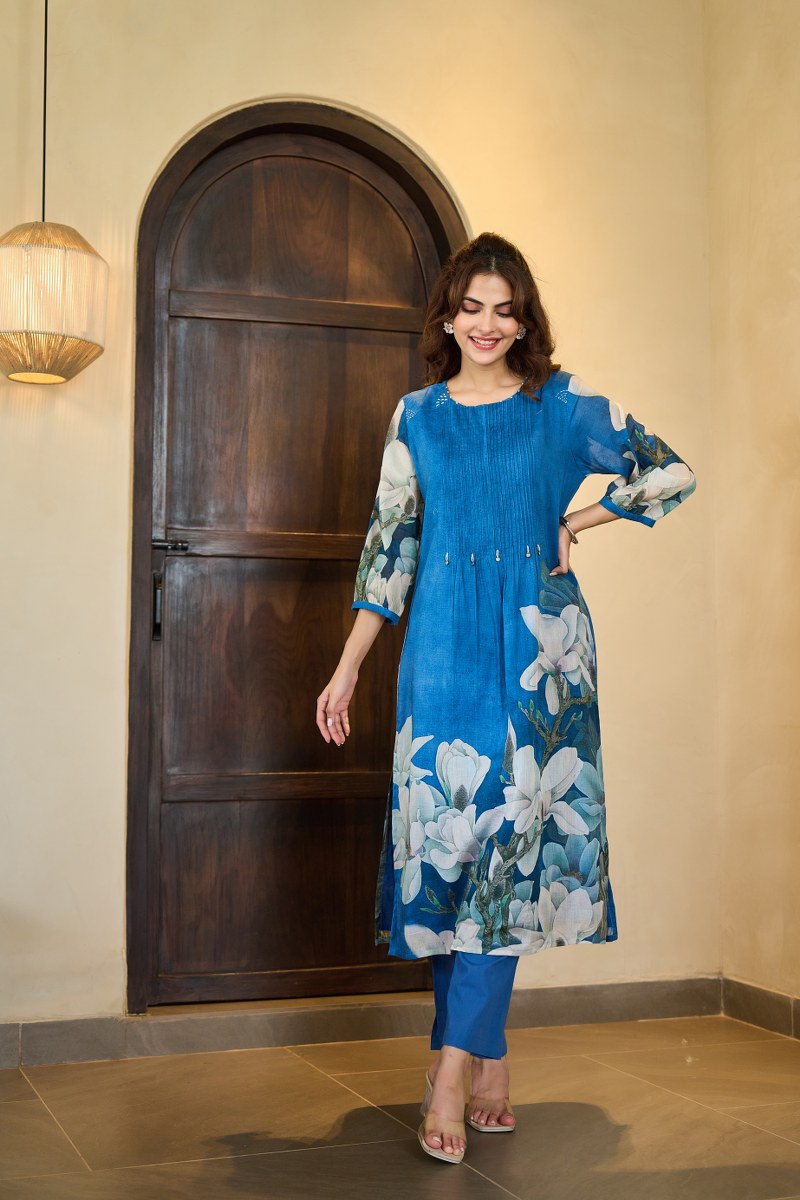
Wedding Season 2026 Is Coming: How to Plan Your Ethnic Wardrobe Early
By Shalini Bhatheja
The best time to start shopping for your wedding dress for women this season is 8 to 10 weeks before the first function, not the week before you fly out. With Indian wedding season stretching from November through February, waiting until the last minute usually means settling for whatever's left on the rack.
Planning early gives you more choice, better fit, and zero last-minute panic. Here's how to build a wedding wardrobe that actually works for every function on your calendar.
Why Early Wedding Wardrobe Planning Saves You Stress
Most brides-to-be and wedding guests start shopping for outfits too late. By December, popular women's wedding wear is already sold out in your size.
Starting early means:
You get first pick of sizes and colours
Alterations don't become a last-minute scramble
You can shop sales instead of paying full price under time pressure
You have room to plan outfits by function, not just grab something random
Two months of lead time is usually enough to cover shopping, fitting, and a backup option if something doesn't work out.
Map Out Your Wedding Season Function Calendar
Before you buy anything, list every function you're attending this season. Mehendi, Haldi, Sangeet, the wedding ceremony itself, and the reception each call for a different look.
Write down the dates, the dress code if there is one, and whether it's a daytime or evening event. This one step prevents the most common wedding wardrobe mistake: buying five outfits that all look the same.
Ready to start building your wardrobe? Browse ethnic wear collections while sizes and colours are still in full stock.
Once your calendar is sorted, group your outfits by occasion instead of shopping randomly. A well-rounded wedding wardrobe usually needs:
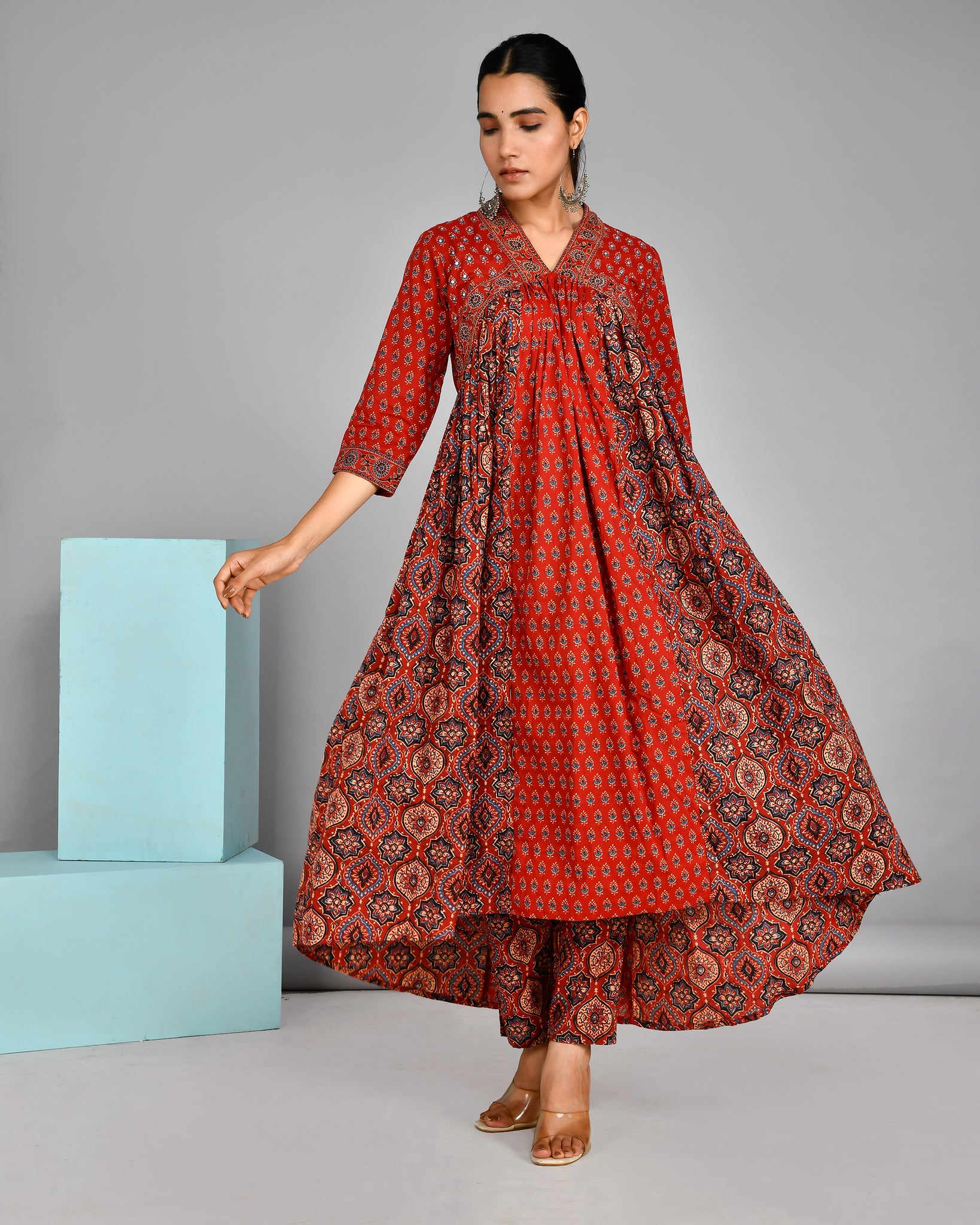
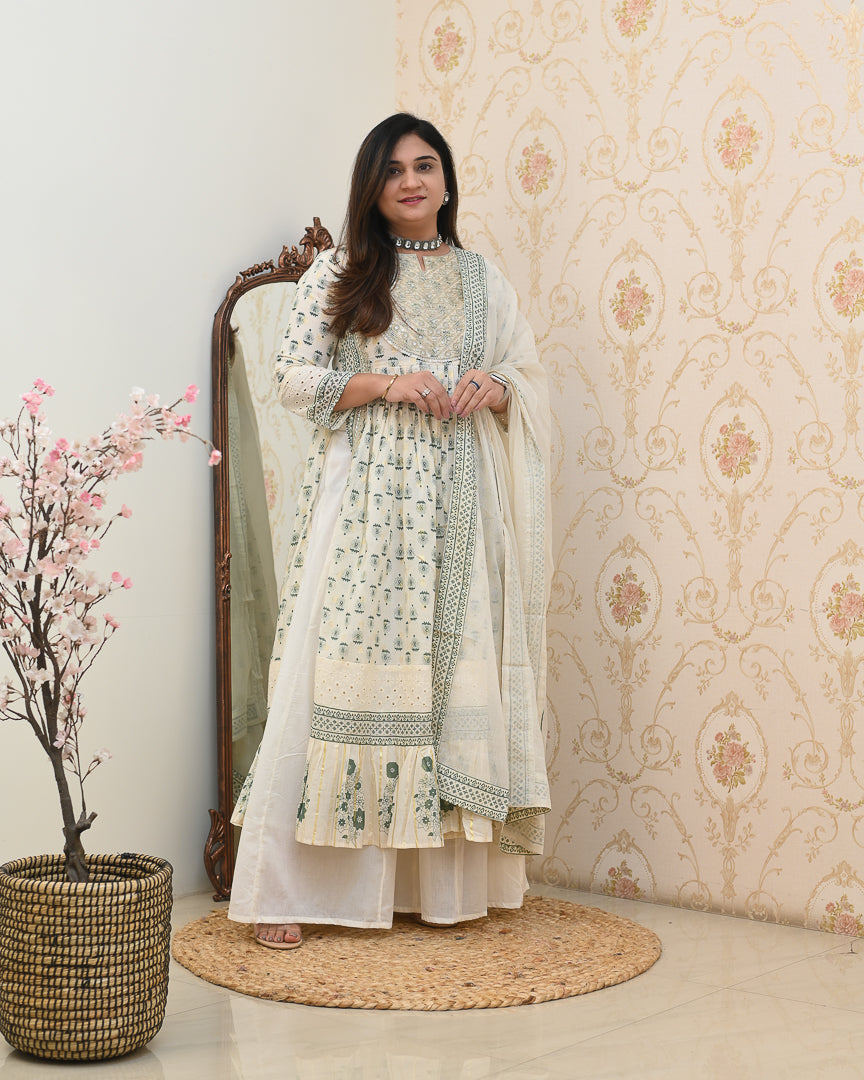
For daytime functions: Lighter silhouettes work best here. An alia cut dress or a nyra cut kurti gives you movement and comfort for long Mehendi or Haldi mornings without feeling heavy.
For evening events: This is where you can go bolder. Rich prints and handwork suit the Sangeet or reception mood, and pieces with a bit more structure photograph well under evening lighting.
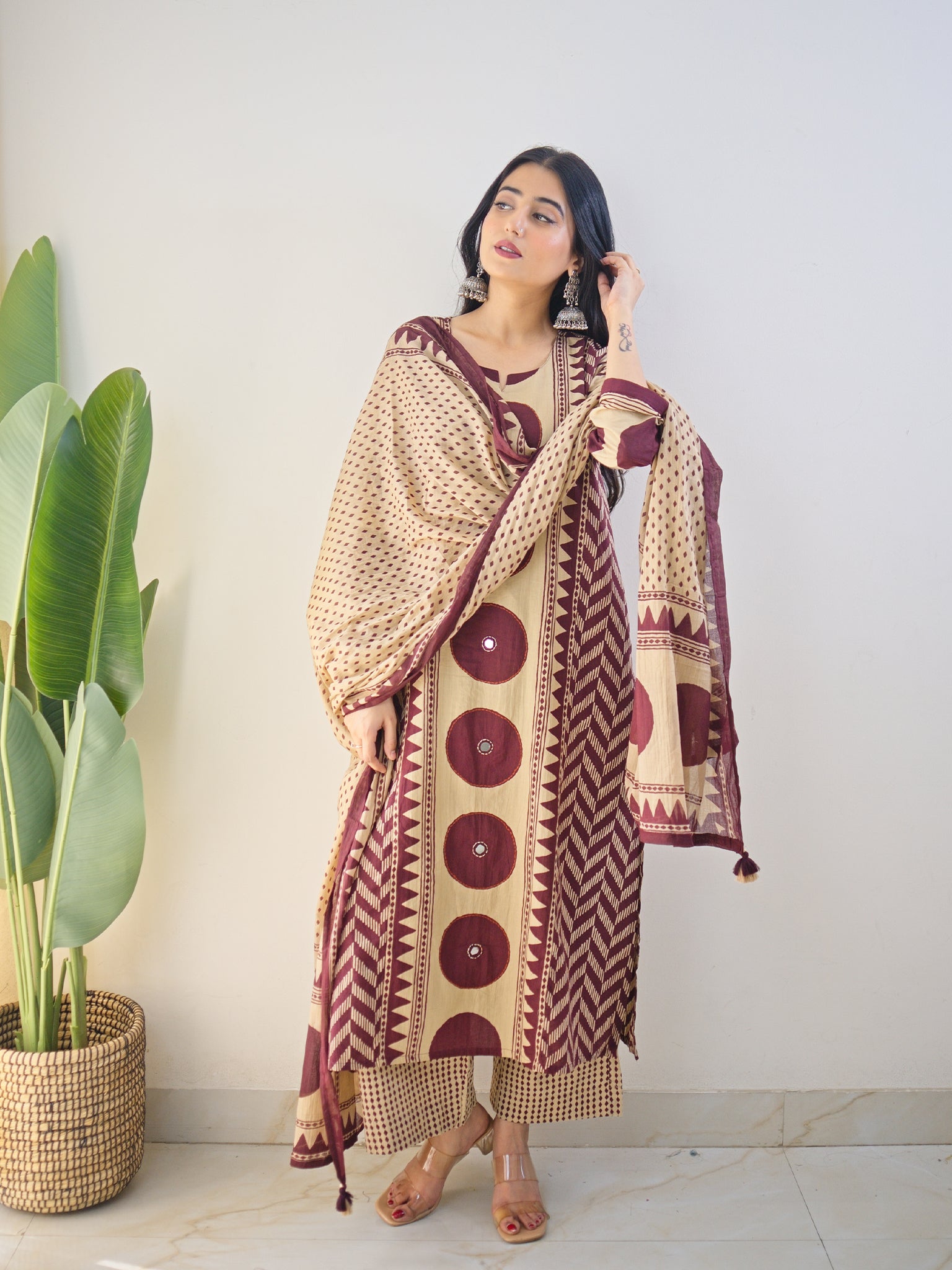
As versatile everyday-to-festive pieces: Anajrakh print kurti works for both pre-wedding functions and casual family gatherings, so it's worth having one in rotation.
Having three to four outfit categories mapped out, rather than one big pile of clothes, makes packing and dressing far less stressful during a busy wedding week.
Choose Fabrics That Handle India's Wedding Season Weather
November to February weather varies a lot depending on where the wedding is. Fabric choice matters as much as the design.
Mul cotton kurtis are breathable and ideal if you're travelling somewhere warmer or attending an outdoor daytime function.
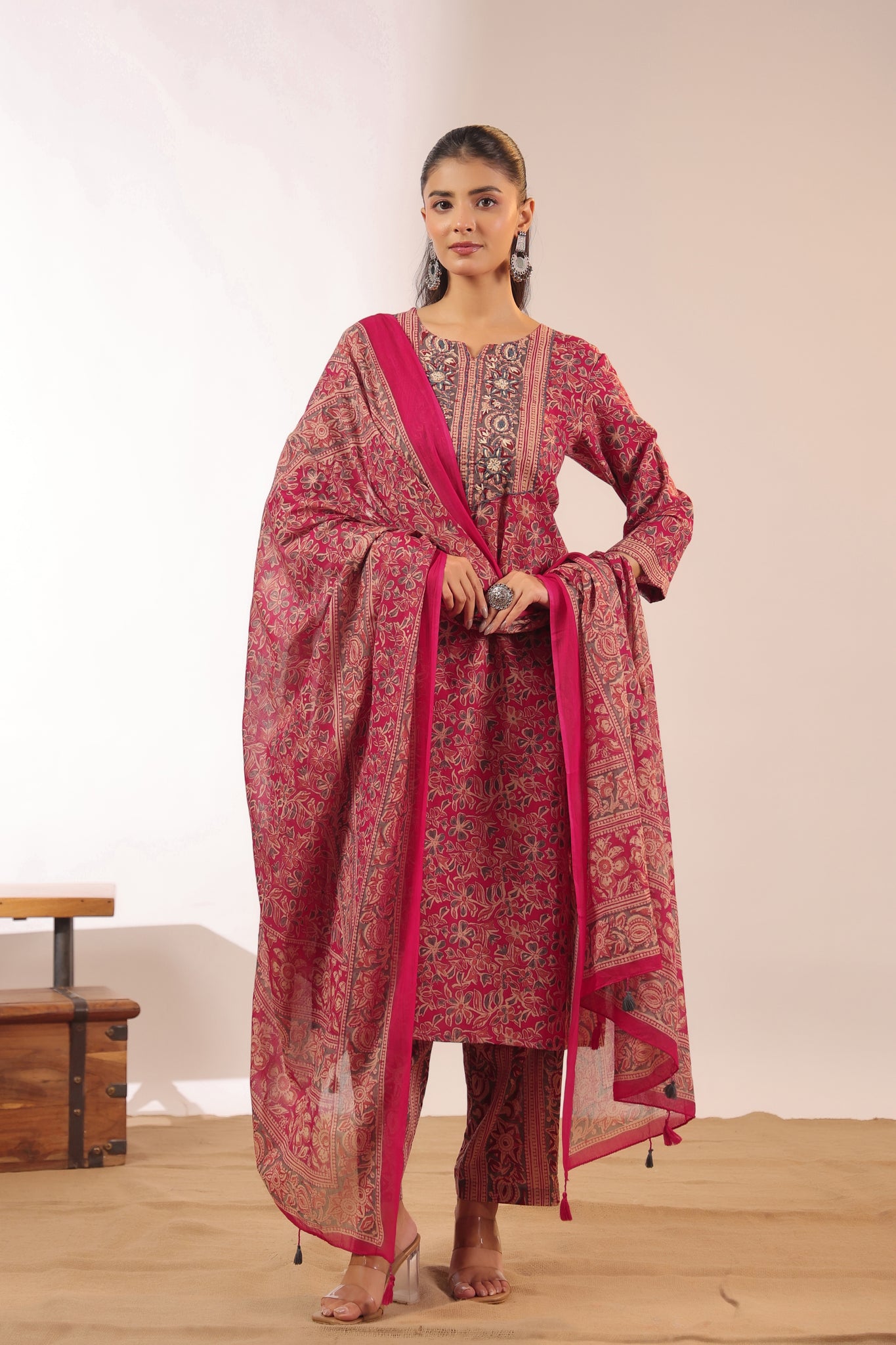
Kalamkari kurta sets bring in traditional artistry and work well for functions with a cultural or regional theme.e
Leheriya kurti styles add festive colour and pair beautifully with dupattas for a more finished, occasion-ready look
Picking fabrics suited to the venue and weather also means you'll actually be comfortable enough to enjoy the function, not just endure it.
If you're attending as a guest rather than close family, keep a few etiquette basics in mind while planning your wedding outfits for women shopping list.
Avoid wearing white or all-black to daytime ceremonies, since these are still considered inauspicious in most Indian wedding settings.
Check if there's a specific dress code or colour theme before finalizing your outfit.t
Keep accessories functional. A long day of standing and dancing calls for comfortable footwear over statement heels
A well-chosenIndian wedding guest outfit should photograph well, hold up through a long day, and still feel comfortable by the time the reception starts.
When to Start Shopping: A Simple Timeline
8 to 10 weeks before: Finalize your function list and outfit categories
6 weeks before: Shop your main pieces while stock and sizes are still available
3 to 4 weeks before: Get alterations done and try full outfits with footwear and accessories
1 week before: Do a final trial run so there are no surprises on the day
This timeline leaves enough buffer for exchanges or fixes without the added stress of a shipping delay right before the wedding.
Start browsing your wedding season edit now, while full sizes and every print are still in stock.
FAQs
Q. When should I start shopping for wedding season outfits?
Start 8 to 10 weeks before your first function, so you have time for shopping, alterations, and a backup option if needed.
Q. What fabric works best for daytime wedding functions?
Mul cotton kurtis are ideal for daytime events since they're lightweight and breathable, especially for outdoor Mehendi or Haldi functions.
Q. Is it okay to repeat an outfit across two wedding functions?
Yes, as long as the functions aren't on the same day or attended by the same close guest circle, repeating a versatile piece is completely fine.
Q. What should I avoid wearing as a wedding guest in India?
Avoid white or all-black at daytime ceremonies, and check if the wedding has a specific dress code or colour theme beforehand.
Q. How many outfits do I need for a full wedding season?
Most guests need three to four outfits covering daytime, evening, and reception functions, though this varies based on how many events you're attending.
Conclusion
Wedding season rewards early planners. Mapping your functions, sorting outfits by occasion, and picking the right fabrics for the weather takes the stress out of what's usually a rushed, last-minute scramble. Start 8 to 10 weeks out, and you'll spend the season enjoying the functions instead of hunting for an outfit the night before.
Link copied
About the Author
Shalini Bhatheja
Shalini Bhatheja is an Indian fashion entrepreneur who turned her lifelong passion for design into a purpose by launching The Jaipur Studio in 2018. Rooted in her Rajasthani heritage, she started the company as a small trio selling ethnic wear at local residential stalls before scaling it into a thriving digital and physical retail brand. Her mission focuses on delivering affordable, handcrafted elegance to the modern Indian woman while providing sustainable livelihoods to traditional local artisans.